

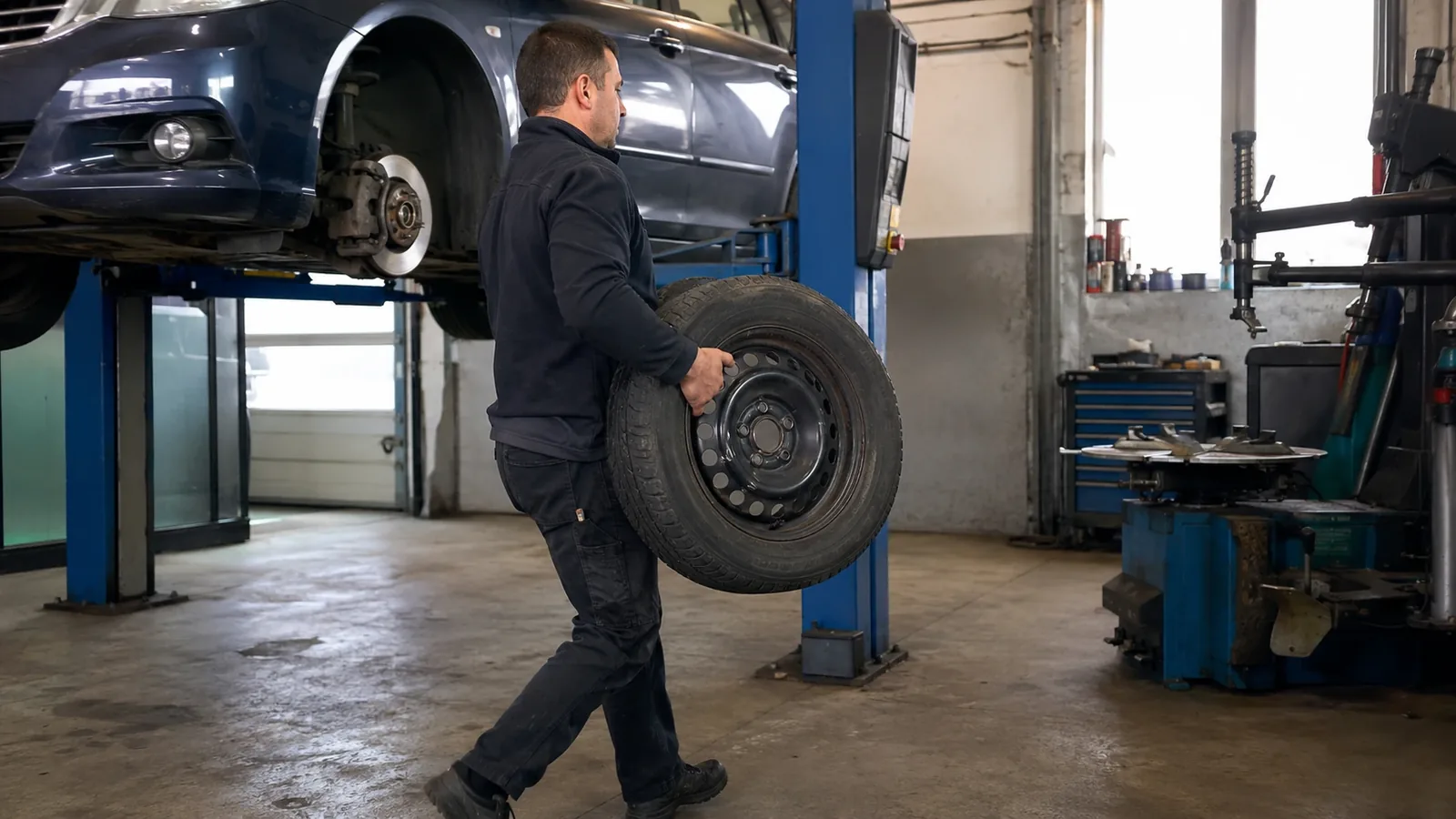
The workshop phone usually rings when both hands are occupied. A mechanic is holding a tool, a vehicle is on the lift and someone at the other end of the workshop is asking about a part. Answering means stopping work. Leaving the call unanswered means the customer does not know whether the workshop will call back in five minutes or is closed all day.
You do not need to make the mechanic answer every call. You need a way of working that lets customers explain their issue and tells the workshop who should follow up and when.
Who should answer the phone?
A dedicated receptionist is not always economical for a small workshop. The owner, service advisor or whoever has their hands free answers. This works on a quiet day, but falls apart when several vehicles need attention at once.
Separate taking a request from giving a technical answer. Whoever answers does not have to diagnose the vehicle, give a final price and reserve a bay immediately. They can collect basic details and say when a mechanic will call back.
I will note the registration number, symptom and phone number. The mechanic will check the job and call you back today after 13:00.
That is better than guessing a price in a noisy workshop.
| Type of call | Who can take the request | When a mechanic is needed |
|---|---|---|
| New appointment | A service employee or assistant collects vehicle details and a date | When the description suggests a safety issue or requires an initial technical assessment |
| Ongoing repair status | Someone with access to the current repair order | When the customer asks about the diagnosis or a change in scope |
| Approval for additional work | A service advisor or the person managing the job | When the cause, risk or repair options need explanation |
| Complaint | A designated employee who can take responsibility for the issue | From the start if the call concerns the quality or safety of the completed repair |
What to collect in a short call
If the team cannot talk for long, five details are enough:
- who is calling and which number to call back
- which vehicle the issue concerns
- the brief reason for contacting the workshop
- whether the vehicle is already at the workshop
- when the customer can take a callback
For a symptom such as “something is knocking”, there is no need to diagnose over the phone. Ask when it occurs and whether continuing to drive might be unsafe. If the answer requires technical knowledge, a mechanic takes over.
Finish with a short summary:
I have noted that your Skoda has trouble starting when the engine is cold, and that you would like an appointment this week. We will call back today between 14:00 and 15:00.
A specific person must own callbacks
A missed-call list shows a number, but not what the issue was or whether someone already called back. Decide clearly who is responsible for returning calls.
- One person reviews requests at an agreed time.
- After the call, they record the outcome and next action.
- An issue leaves the queue only after contact or a deliberate decision that the workshop cannot handle it.
One or two fixed callback windows are usually better than random calls between repairs. Customers do not always need to speak immediately, but should know when to expect a response.
After two unsuccessful contact attempts, a request should receive a clear status rather than remain in the queue indefinitely.
A short note should remain after the call: who called, which vehicle it concerned, what was agreed and who should respond. The issue needs a specific owner and clear status, such as “callback needed” or “appointment confirmed”.
When an assistant can handle the first contact
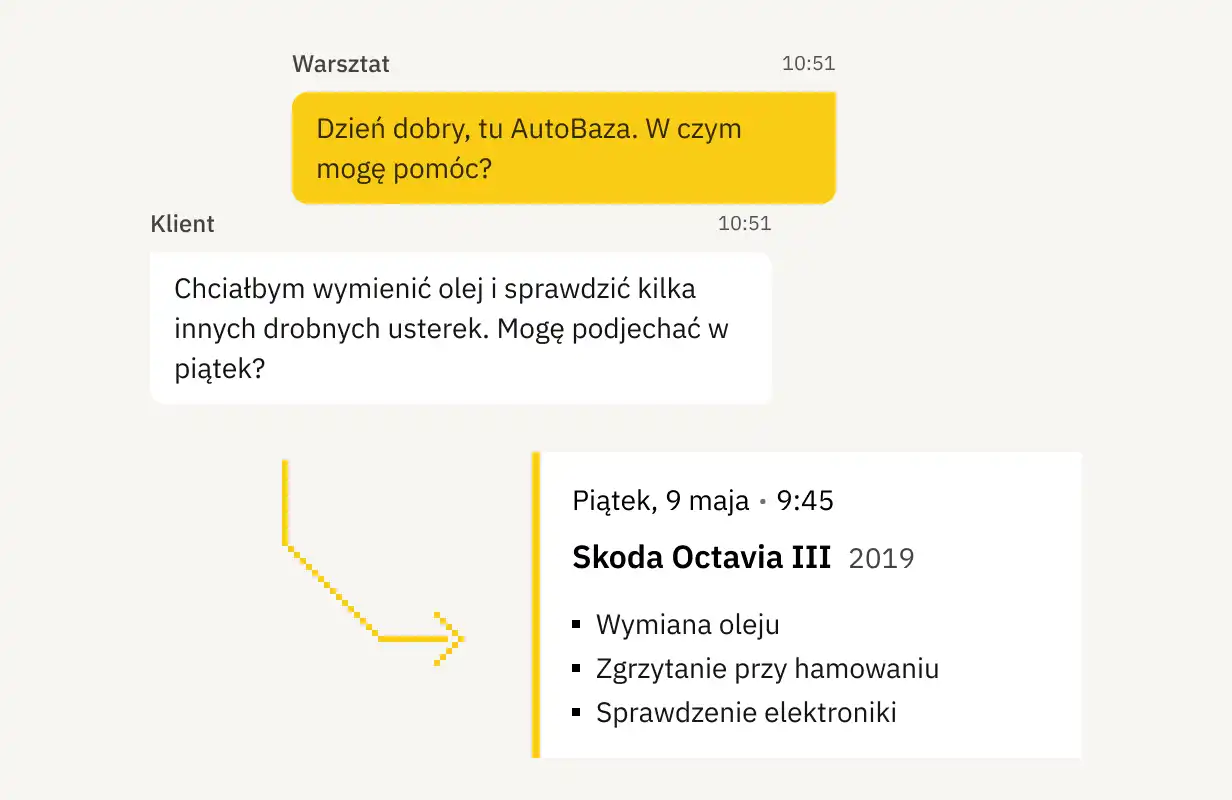
An automated assistant can collect details and a preferred callback time when mechanics are working in noise or a call comes after closing. Complaints, cost disputes and safety questions should reach a person quickly. We explain the criteria in more detail in phone bots for workshops.
How PilotGo helps
PilotGo can work with the workshop's existing number on a compatible eSIM or Dual SIM phone, or after setting up forwarding to a mobile phone. When the team cannot answer, the Assistant can take the call, gather the key information and pass on a summary. A recording and transcript are also available, so the employee can return to the exact context.
The system's role is not to make technical decisions. It should pass the issue to the right person and let the mechanic finish their work without interruption.
See how it works on the PilotGo automotive workshop software page.